
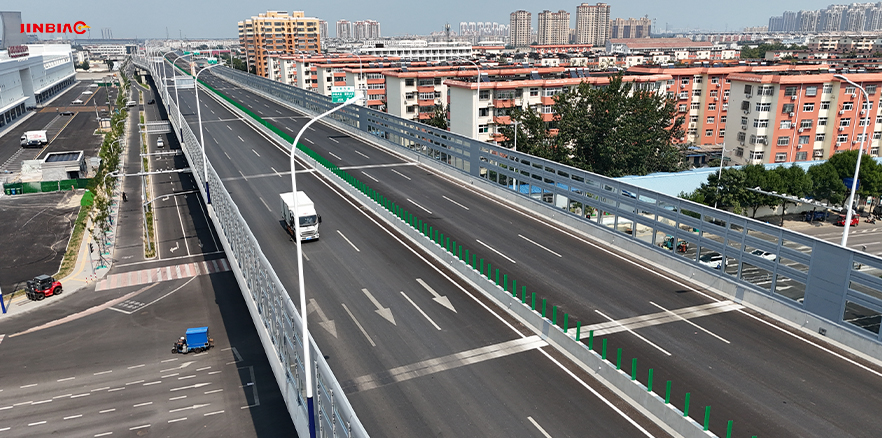
Microporous Noise Barrier for Urban Bridge Project
Project Overview
This project involves the installation of a microporous noise barrier system for an urban bridge located in a densely populated area. Due to the continuous traffic flow on the bridge, vehicle noise had become a major concern for nearby residential and commercial zones. To effectively reduce traffic noise and improve the surrounding acoustic environment, a high-performance microporous noise barrier solution was implemented.
The installed noise barrier system is designed to control traffic noise while maintaining structural safety, durability, and aesthetic appearance suitable for modern urban infrastructure.
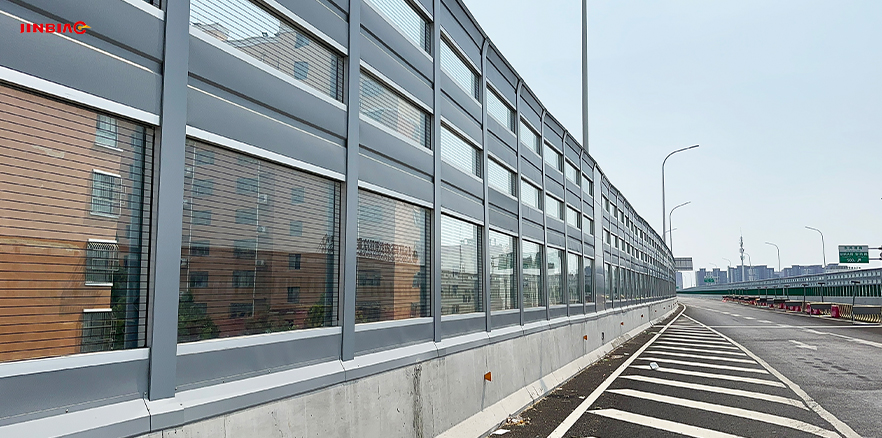
The project uses metal microporous noise barrier panels, which are specially designed to absorb and reduce traffic noise generated by vehicles passing over the bridge. The microporous surface structure allows sound waves to enter the panel and be absorbed by the internal acoustic materials, significantly improving noise reduction performance.
The system structure mainly includes:
Microporous perforated metal panels
High-density sound-absorbing materials
Galvanized steel supporting columns
Anti-corrosion surface treatment
This design provides both sound insulation and sound absorption, ensuring effective noise control for urban traffic environments.
Installation and Construction
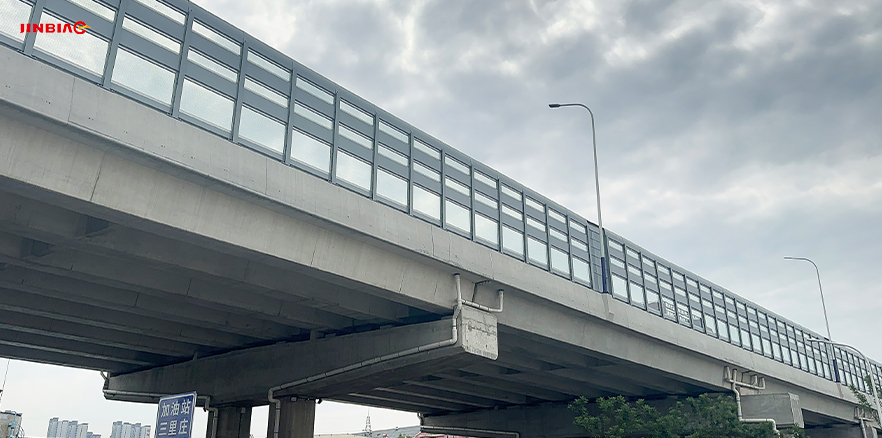
During the installation process, the noise barrier panels were mounted along both sides of the bridge using galvanized steel support posts. The modular panel design allowed for efficient installation while maintaining structural stability and wind resistance.
The materials used in the system feature excellent corrosion resistance and weather durability, making the noise barrier suitable for long-term outdoor use under varying environmental conditions.
Project Benefits
After installation, the microporous noise barrier significantly reduced traffic noise levels around the bridge area, improving the quality of life for nearby residents and creating a quieter urban environment.
Key benefits of the project include:
Effective reduction of urban traffic noise
Improved acoustic environment for surrounding communities
Durable and weather-resistant noise barrier structure
Modern design that integrates well with urban infrastructure
Conclusion
The Microporous Noise Barrier for Urban Bridge Project demonstrates an efficient and reliable solution for urban traffic noise control. With its high acoustic performance, durable materials, and modern design, the system provides long-term environmental protection and contributes to sustainable urban development.
FAQ
1. What is a microporous noise barrier?
A microporous noise barrier is a type of acoustic barrier that uses specially designed perforated metal panels with tiny holes on the surface. These micropores allow sound waves to enter the panel, where they are absorbed by internal sound-absorbing materials, helping to reduce traffic and environmental noise effectively.
2. How does a microporous noise barrier reduce traffic noise?
Microporous noise barriers combine both sound insulation and sound absorption. The metal panels block direct noise transmission, while the internal acoustic materials absorb sound energy, reducing reflected noise and improving overall noise reduction performance.
3. Why are microporous noise barriers suitable for urban bridges?
Urban bridges often experience continuous vehicle traffic and limited installation space. Microporous noise barriers provide excellent noise control, high structural strength, wind resistance, and an attractive appearance, making them ideal for modern urban bridge projects.
4. What materials are used in this traffic noise barrier system?
The system typically consists of microporous perforated metal panels, high-density sound-absorbing insulation materials, galvanized steel support columns, and anti-corrosion surface coatings. These materials ensure long-term durability and acoustic performance.
5. How long can a microporous noise barrier last?
With proper design and anti-corrosion treatment, a metal microporous noise barrier can generally last 20–30 years or longer, depending on environmental conditions and maintenance practices.
6. Are microporous noise barriers resistant to weather and corrosion?
Yes. The panels and supporting structures are usually made from galvanized steel, aluminum, or other corrosion-resistant materials. Additional surface treatments help protect the system from rain, sunlight, humidity, and other outdoor environmental factors.
Post time: Mar-16-2026