
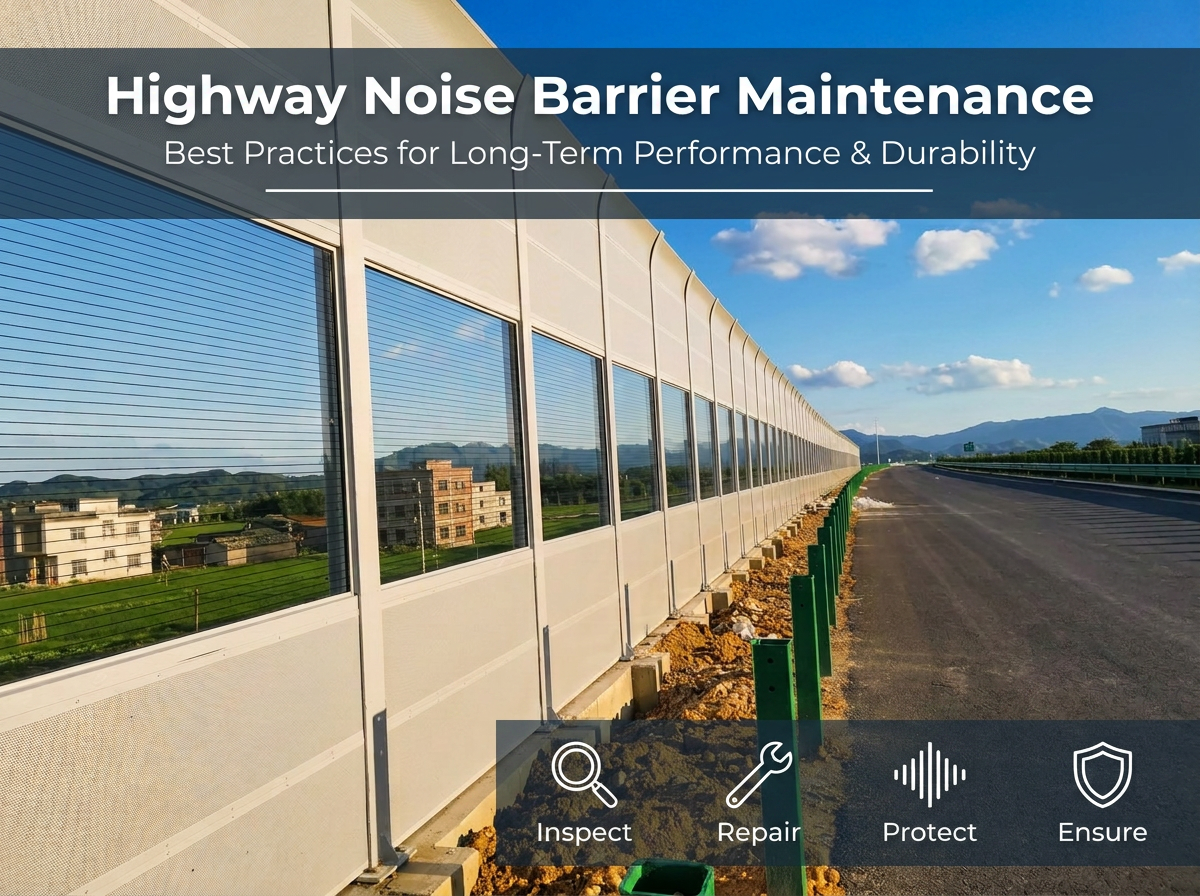
Highway Noise Barrier Maintenance: Best Practices for Long-Term Performance and Durability
Highway noise barriers play a critical role in protecting communities from traffic-related noise pollution. Over time, however, these structures are exposed to harsh environmental conditions, vibrations from passing vehicles, and general wear and tear. Without a structured maintenance program, even the most well-designed noise barriers can deteriorate, compromising both their acoustic performance and structural integrity. This article explores the essential aspects of highway noise barrier maintenance, from routine inspections to targeted repair strategies, helping transportation agencies and contractors ensure these assets continue to serve their purpose effectively for decades.
Why Regular Maintenance of Noise Barriers Matters
Noise barriers represent a significant infrastructure investment. A single kilometer of highway noise wall can cost anywhere from $200,000 to over $1 million depending on materials, height, and site conditions. Neglecting maintenance can lead to premature failure, escalating repair costs, and potential liability issues if a barrier collapses or loses effectiveness.
Beyond financial considerations, well-maintained noise barriers deliver consistent acoustic performance. Cracks, gaps, missing panels, and deteriorated seals create sound leakage paths that can reduce a barrier’s noise reduction capability by 5 to 10 decibels — a difference that residents near highways will notice immediately. Regular maintenance ensures that the barrier continues to meet the design noise reduction targets established during project planning.
Additionally, the aesthetic appearance of noise barriers affects community perception. Faded, graffiti-covered, or structurally damaged walls create a negative visual impression and may generate complaints from residents and local authorities. A proactive maintenance program preserves both function and appearance, reinforcing public trust in infrastructure management.
Common Types of Noise Barrier Deterioration
Understanding the typical failure modes of noise barriers is the first step in developing an effective maintenance strategy. Different materials exhibit different vulnerabilities, but several deterioration patterns are common across most barrier types.
Metal and Transparent Panel Degradation
Steel and aluminum noise barriers face corrosion risks, particularly at joints, fasteners, and areas where protective coatings have been damaged. Galvanized steel posts may show white rust at the base, indicating zinc coating depletion. Transparent acrylic or polycarbonate panels — popular for maintaining visual openness — are vulnerable to UV degradation, yellowing, crazing, and impact damage from debris or vandalism. These panels require specific cleaning protocols to avoid scratching and chemical damage.
Absorptive Material Performance Loss
Many modern noise barriers incorporate sound-absorptive materials such as mineral wool, fiberglass, or wood-fiber cement on the traffic-facing side. Over time, these materials can become compacted, waterlogged, or clogged with dust and pollutants, significantly reducing their sound absorption coefficient. Loose or missing absorptive panels not only degrade acoustic performance but also create wind-load vulnerabilities that can lead to further structural damage during storms.
Developing a Systematic Inspection Program
A structured inspection program is the backbone of effective noise barrier maintenance. Transportation agencies should establish inspection frequencies based on barrier age, material type, traffic volume, and climate conditions. The following components form a comprehensive inspection framework.
Routine Visual Inspections
Routine inspections should be conducted at least once per year, with additional checks after severe weather events such as hurricanes, floods, or earthquakes. Inspectors should walk or drive along both sides of the barrier, documenting any visible issues using standardized checklists and photographic records. Key items to examine include panel alignment, fastener condition, post plumbness, foundation stability, drainage functionality, and the presence of unauthorized attachments or modifications.
Detailed Structural Assessments
Every three to five years, or when routine inspections identify potential structural concerns, a more detailed assessment should be performed. This may involve non-destructive testing methods such as ground-penetrating radar for foundation evaluation, ultrasonic testing for post integrity, and half-cell potential measurements for reinforcement corrosion risk. Detailed assessments should be conducted by qualified structural engineers familiar with noise barrier design standards.
Acoustic Performance Verification
While less frequent than structural inspections, periodic acoustic testing helps verify that noise barriers continue to meet their design objectives. Simple sound level measurements at receptor locations can identify whether sound leakage has compromised performance. When significant degradation is suspected, more sophisticated testing using impulse response or MLS (Maximum Length Sequence) methods can quantify the insertion loss of individual barrier sections and guide targeted repairs.
Preventive Maintenance Strategies
Preventive maintenance extends the service life of noise barriers and reduces the frequency and cost of major repairs. The following practices should be incorporated into routine maintenance schedules.
Cleaning and Surface Treatment
Regular cleaning removes accumulated dirt, pollutants, and biological growth such as moss, mold, and algae. Pressure washing at moderate pressure (1,500–2,000 PSI) is generally suitable for metal surfaces, though care must be taken with absorptive panels and transparent elements. Graffiti removal should be performed promptly using appropriate chemical removers or abrasive methods matched to the substrate material. After cleaning, reapplication of protective coatings — including anti-graffiti sealers, UV inhibitors, and corrosion-resistant paints — helps extend the interval between maintenance cycles.
Drainage and Vegetation Management
Poor drainage is a leading cause of foundation problems and accelerated material degradation. Maintenance crews should clear drainage channels, weep holes, and culverts near noise barrier foundations at least twice per year. Vegetation growing too close to barriers should be trimmed or removed, as roots can damage foundations and overhanging branches can fall onto barrier panels during storms. However, vegetation that serves as an additional visual or noise buffer should be preserved where it does not threaten the structure.
Fastener and Joint Maintenance
Loose, corroded, or missing fasteners are among the most common maintenance issues observed in noise barriers. A systematic fastener inspection and tightening program — including bolts, clips, brackets, and panel connectors — prevents progressive loosening that can lead to panel displacement or detachment. Expansion joints and sealants should be checked for cracking, adhesion loss, and water infiltration, with failed sealants replaced using materials compatible with the original joint design.
Corrective Repair Approaches
When preventive maintenance is insufficient to address deterioration, corrective repairs become necessary. The appropriate repair technique depends on the type and severity of the damage.
Metal Component Restoration
Corroded steel posts and panels require surface preparation — typically abrasive blasting to achieve the specified cleanliness standard — followed by application of a multi-coat protective paint system including zinc-rich primer, epoxy intermediate coat, and polyurethane topcoat. For posts with section loss exceeding 15% of the original thickness, reinforcement or replacement should be considered based on structural analysis. Aluminum components with heavy pitting corrosion may need replacement, as aluminum corrosion products can be difficult to completely remove and repassivate.
Transparent Panel Replacement
Yellowed, cracked, or severely scratched transparent panels should be replaced rather than repaired, as surface restoration of degraded acrylic or polycarbonate is rarely cost-effective. When replacing panels, ensure that UV-stabilized grades of material are specified and that installation follows manufacturer guidelines for thermal expansion allowance and edge restraint. This is also an opportunity to upgrade to materials with better long-term durability if the original specification proved inadequate for local environmental conditions.
Documentation and Asset Management
Effective maintenance management requires thorough documentation. Each noise barrier asset should have a digital record that includes as-built drawings, material specifications, inspection history, maintenance activities, and repair costs. Modern asset management systems allow agencies to track deterioration trends, predict remaining service life, and optimize maintenance budgets across their entire noise barrier inventory.
Photographic documentation is particularly valuable — time-series photos of specific defect locations provide objective evidence of deterioration rates and help prioritize interventions. When integrated with GIS (Geographic Information System) platforms, this data supports corridor-level planning and resource allocation for noise barrier maintenance programs.
Conclusion
Highway noise barriers are essential infrastructure assets that require systematic, well-documented maintenance to deliver their designed service life and acoustic performance. By implementing routine inspections, preventive maintenance, and timely corrective repairs, transportation agencies can protect their investment, maintain community goodwill, and ensure that these structures continue to shield residents from traffic noise for generations. The cost of proactive maintenance is invariably lower than the cost of emergency repairs and premature replacement — making maintenance not just a technical necessity, but a sound financial strategy.
Post time: Jul-30-2026