
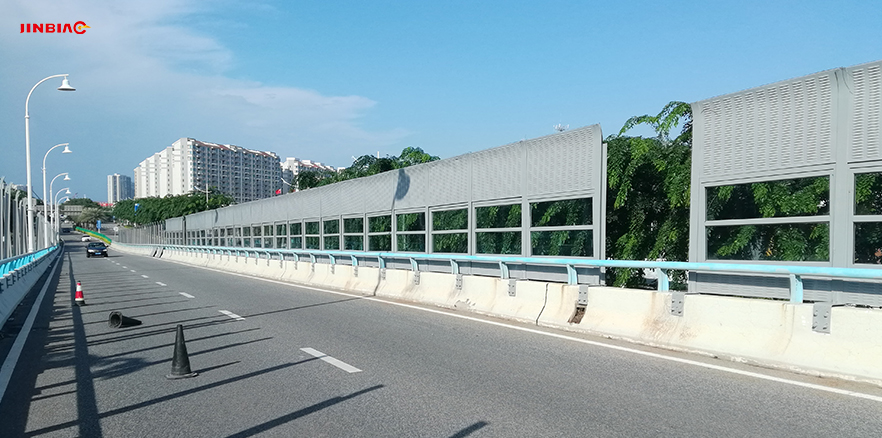
With the continuous expansion of transportation infrastructure around the world, highway sound barrier walls have become an essential solution for reducing traffic noise and protecting nearby residential and commercial areas. Many project developers, contractors, and government agencies often ask the same question: How much do highway sound barrier walls cost?
In reality, the cost of highway sound barrier systems can vary significantly depending on several important factors, including materials, structural design, installation conditions, and project scale. Understanding these factors can help buyers and project planners make better decisions when selecting the right noise barrier solution.
Material Type
One of the most important factors influencing the cost of highway sound barrier walls is the type of material used in the panels. Different materials provide different levels of durability, transparency, and noise reduction performance.
Common materials include:
Galvanized steel noise barrier panels
•Aluminum sound barrier panels
•Polycarbonate (PC) transparent panels
•Tempered or laminated glass panels
•Composite acoustic panels with sound-absorbing materials
Metal microporous panels are often widely used for highways due to their excellent sound absorption and durability, while transparent panels are commonly installed on bridges and urban roads where visibility is important.
Noise Barrier Height and Length
The size of the noise barrier system also directly affects the overall project cost. Higher barriers generally provide better noise reduction performance but require stronger support structures and more materials.
Typical highway sound barrier heights range from 2 meters to 6 meters, depending on local noise control regulations and surrounding environmental conditions. Large-scale infrastructure projects with long barrier installations will naturally involve higher total costs.
Structural Design and Engineering
The structural design of the sound barrier system also plays an important role in pricing. Projects may include different designs such as:
•Vertical sound barrier walls
•Curved noise barriers
•Fully enclosed noise barriers
•Transparent noise barrier systems
More complex structures, such as fully enclosed or curved acoustic barriers, usually require additional engineering and structural support, which can increase the overall cost.
Installation and Transportation
Installation conditions can also influence the final cost of highway sound barrier projects. For example, projects located on bridges, elevated highways, or mountainous areas may require specialized installation equipment and additional safety measures.
Transportation costs also need to be considered, especially for international projects where noise barrier panels and steel structures must be shipped to overseas construction sites.
Typical Cost Range
While exact prices vary depending on project requirements, the average cost of highway sound barrier systems generally ranges between:
$80 to $300 per square meter
This price range may vary depending on the selected materials, acoustic performance requirements, and project complexity.
Choosing the Right Noise Barrier Supplier
When planning a highway noise control project, it is important to work with an experienced noise barrier manufacturer that can provide professional design support, high-quality materials, and reliable production capacity.
A well-designed sound barrier system not only reduces traffic noise effectively but also ensures long-term durability and low maintenance costs for infrastructure projects.
Conclusion
Highway sound barrier walls play a crucial role in controlling traffic noise and improving the living environment around busy transportation corridors. By understanding the factors that influence pricing—such as materials, design, and installation requirements—project planners can select the most suitable and cost-effective noise barrier solution.
As global demand for environmental protection and urban noise control continues to grow, highway sound barrier systems will remain an essential component of modern transportation infrastructure.
Post time: Mar-16-2026