
As railway networks continue to expand worldwide, managing noise pollution and improving energy efficiency have become critical challenges. A solar barrier for rail is an innovative solution that integrates traditional noise barriers with photovoltaic technology, delivering both sound insulation and clean energy generation.
What Is a Solar Barrier for Rail?
A solar rail barrier is a multifunctional system installed alongside railway tracks. It combines noise reduction panels with solar panels, creating a dual-purpose structure that:
Reduces train noise impact on surrounding communities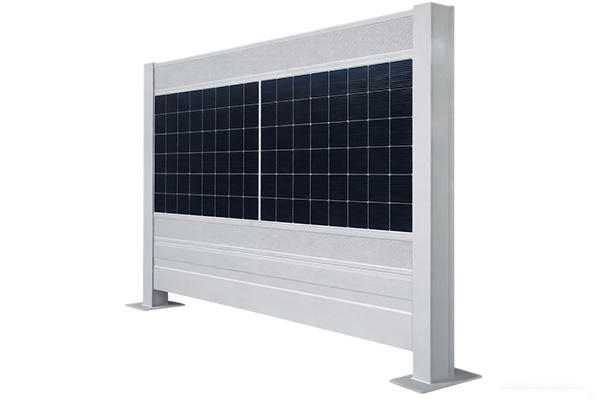
Generates renewable electricity from sunlight
Maximizes land use efficiency along railway corridors
This system is especially suitable for high-speed railways, urban transit lines, and freight corridors.
Key Features and Structure
A typical solar barrier for rail consists of the following components:
1. Structural Framework
Made from galvanized steel or aluminum alloy, ensuring high strength, corrosion resistance, and long service life.
2. Acoustic Panels
Designed with sound-absorbing materials such as perforated metal sheets, mineral wool, or composite layers to effectively reduce noise levels.
3. Photovoltaic Modules
Installed on top or integrated into the barrier surface, these panels convert solar energy into electricity.
4. Mounting System
Engineered to withstand wind loads, vibrations from passing trains, and varying weather conditions.
Advantages of Solar Rail Barriers
Dual Functionality
Combines noise control and solar power generation, reducing the need for separate installations.
Environmental Benefits
Helps lower carbon emissions by producing clean energy while minimizing noise pollution.
Space Optimization
Utilizes existing railway boundaries, avoiding additional land acquisition.
Cost Efficiency
Reduces long-term operational costs by generating electricity that can be used for railway systems or fed into the grid.
Aesthetic Design
Modern designs can enhance the visual appeal of railway infrastructure.
Application Scenarios
Solar barriers for rail are widely used in:
High-speed railway lines
Urban metro systems
Suburban rail corridors
Freight railway routes
Noise-sensitive areas such as residential zones, schools, and hospitals
Why Choose Solar Barriers for Railway Projects?
With increasing emphasis on sustainability and smart infrastructure, railway operators are seeking solutions that deliver multiple benefits. Solar rail barriers align perfectly with global trends in green energy and eco-friendly construction.
They not only improve the living environment near railways but also contribute to energy self-sufficiency, making them an ideal choice for modern rail projects.
A solar barrier for rail represents a forward-thinking approach to railway development. By combining acoustic performance with renewable energy generation, it offers a practical, efficient, and environmentally responsible solution for today’s infrastructure needs.
FAQ
Q1: How much noise reduction can a solar rail barrier achieve?
Typically, it can reduce noise levels by 10–30 dB, depending on design and materials.
Q2: Can the generated solar energy be used directly by the railway system?
Yes, the electricity can power signaling systems, lighting, or be integrated into the grid.
Q3: Is the system durable for railway environments?
Absolutely. It is designed to withstand vibrations, high wind loads, and harsh weather conditions.
Q4: Does installing solar barriers increase project costs significantly?
Initial costs are higher than traditional barriers, but long-term energy savings and environmental benefits provide strong ROI.
Post time: Apr-20-2026