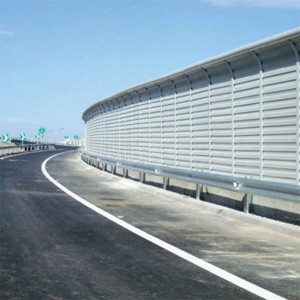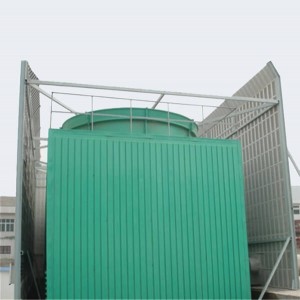

A railway noise barrier is a trackside wall built to reduce wheel-rail noise at lineside receivers, and it differs from a highway barrier in three ways that decide the design: the source sits low and close to the track, the barrier must survive aerodynamic pressure from passing trains, and it has to be installed inside possession windows without closing the line. The railway noise barrier is usually absorptive on the track face so that sound is not reflected back into the corridor, into the opposite track or up into a cab.
Why a railway noise barrier is not a road barrier
On a highway the dominant source is tyre-road noise generated along the carriageway, and a barrier parallel to the road intercepts most paths. On a railway the dominant source is the wheel-rail interface at rail head height, a metre or so above the ballast, which means the barrier sees a low source very close to it and the geometry is far less forgiving. Reflections matter more, because the two tracks in a corridor face each other and a reflective wall on one side throws energy back across to the other.
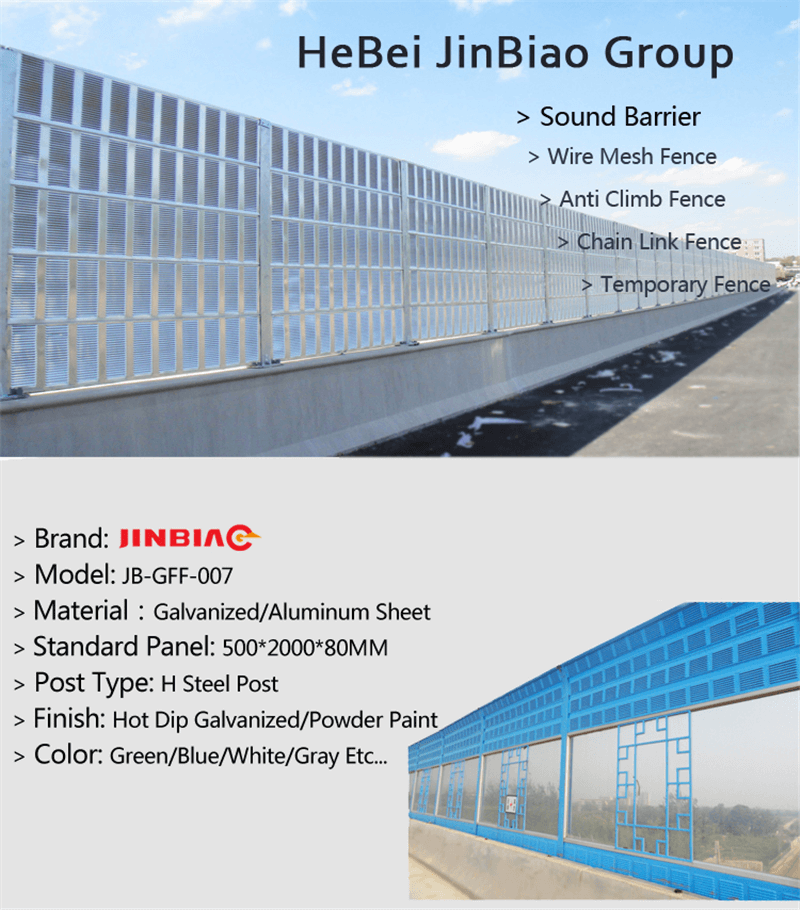
The track-side face of a railway noise barrier should absorb
This is the practical difference that shows up in complaints. A reflective railway noise barrier reduces the level behind it but raises it in the four-foot, on the opposite platform and in the cab of a passing train. An absorptive facing — perforated metal with mineral wool or similar infill behind it — removes a large part of that reflected energy. Where a barrier is specified with a mix of absorptive and reflective panels, the absorptive units belong at the bottom, nearest the source.
Aerodynamic loading on a railway noise barrier
A train passing at speed pushes a pressure wave ahead of it and pulls a negative pulse behind. A barrier close to the track experiences that as a repeated load cycle on every train, all day, for decades, and the structure has to be designed for it rather than for wind alone. That is why rail specifications often govern panel mass, fixing detail and post stiffness rather than the acoustic requirement. It is also why a panel that performs well beside a road may be unsuitable beside a high-speed line. The structural side of this is covered in our note on barrier posts and their structural role.
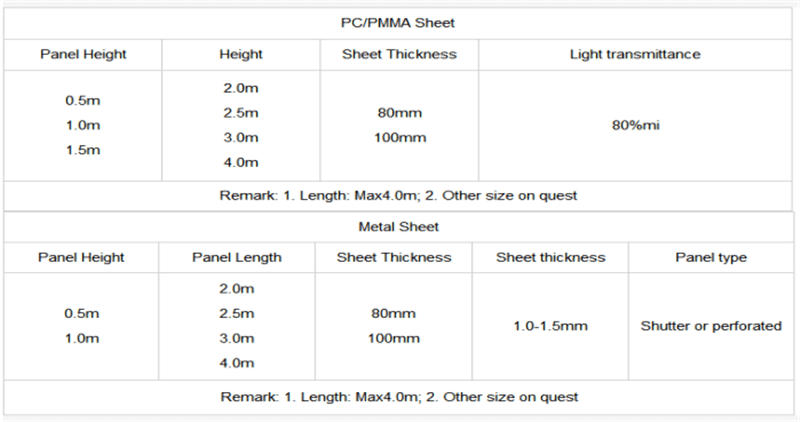
Railway noise barrier standards: rail evidence, not road
Road barriers are rated under the EN 1793 series. Railway applications are covered by the EN 16272 series, which addresses railway-specific acoustic performance. A test report issued against the road series is not automatically accepted as evidence for a rail specification, and projects that require rail-series documentation will ask for it early. If a tender references a rail standard, say so at enquiry stage rather than at delivery.
Railway noise barrier clearance and sightlines
Three constraints shape the layout before acoustics are considered. Overhead line equipment needs its electrical clearance, so the barrier has to stop short of the OLE envelope or be set back from it. Signal sighting and driver visibility cannot be obstructed, which often forces a lower barrier or a transparent band at the critical section. And the barrier must be outside the structural gauge and the ballast shoulder so that tamping machines and drainage still work.
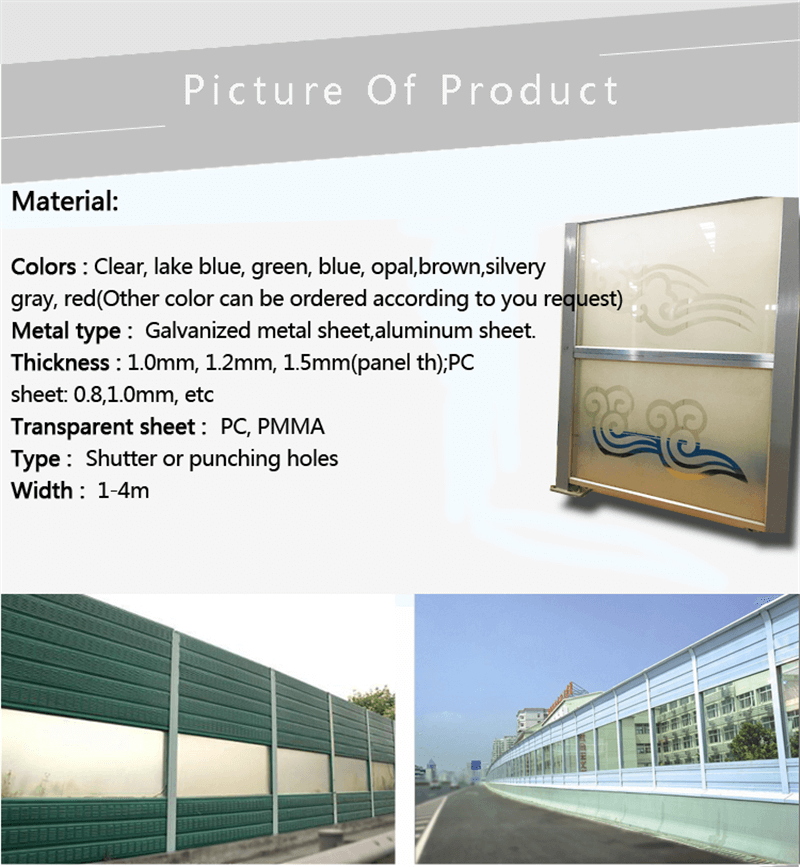
Installing a railway noise barrier inside possessions
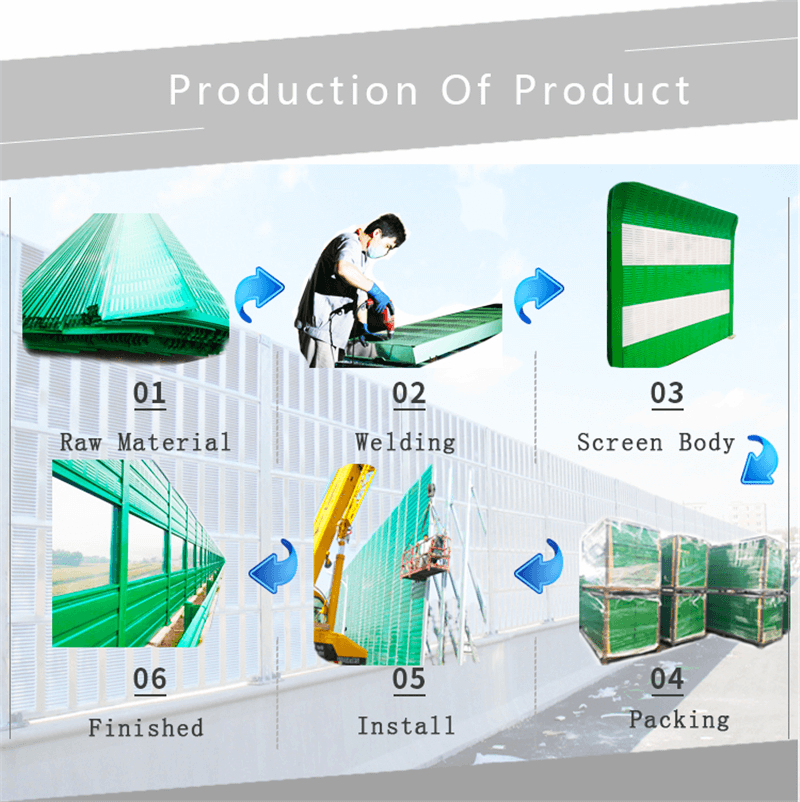
Work happens in the gaps between trains, which are measured in hours, so the panel module has to be light enough to handle without a heavy crane and small enough to fit through the access point. Pre-assembled units speed the work but weigh more; loose panels are slower but easier to move. The realistic planning question is how many panels a possession can install, not how many the factory can produce. Where a line cannot be closed at all, the barrier has to be erected from the cess side with minimal footprint.
A railway noise barrier at stations and bridges
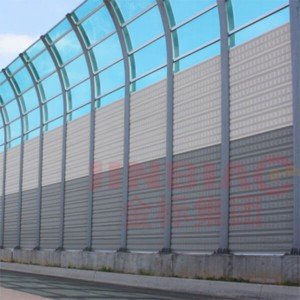
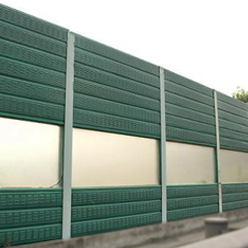
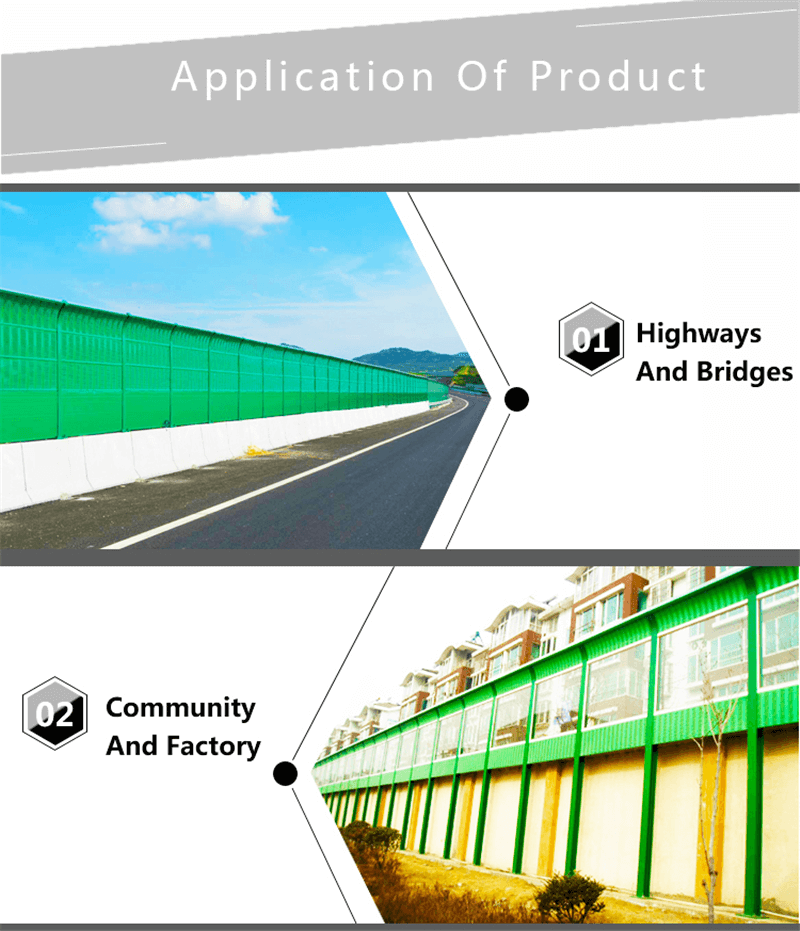
At stations the acoustic need competes with daylight and platform visibility, and a hybrid arrangement is usual: transparent panels at platform level where passengers and staff need to see, absorptive panels elsewhere. On bridges and viaducts the barrier load goes into the deck rather than into the ground, so the panel weight becomes a structural input to the bridge assessment. Our foundation and fixing guide covers the ground-borne case.
Typical railway noise barrier specification
| Item | Typical range |
| Panel thickness | 80 mm, 100 mm, 120 mm |
| Panel size | 2500 × 500 × 80 mm, 2500 × 500 × 100 mm and similar |
| Metal plate thickness | 0.5 mm to 1.2 mm |
| H-post | 100×100×6×8, 125×125×6.5×9, 150×150×7×10, 175×175×7.5×11 mm |
| Flange plate | 250×250×10, 300×300×10, 350×350×10, 400×400×10 mm |
| Facing | Absorptive (perforated with infill) on the track side; reflective or transparent where sightlines require |
| Finish | Hot-dip galvanised, powder coated to RAL |
What to send for a quotation
Track layout and the receiver positions being protected, barrier height and length, the required acoustic rating and the standard it must be verified against, the electrical clearance envelope and any sightline constraints, the possession pattern and the access width, and whether the barrier sits on ballast, on a retaining wall or on a bridge deck.
FAQ
1.What are the acoustic requirements for railway barriers?
Railway barriers are designed to attenuate wheel-rail noise with absorptive facings facing the track to limit reflections.
2.How does a railway barrier differ from a highway barrier?
Railway barriers are often absorptive on the track side and must withstand aerodynamic loads from passing trains; heights and spans follow rail standards.
3.Do you supply barriers for high-speed rail projects?
Please share project drawings and standards; our engineering team can advise on suitable panel systems.
4.Can railway barriers be combined with transparent panels for station areas?
Yes – hybrid systems with transparent sections are used where platform views or sight lines are required.
5.Can a road test report be used for a railway noise barrier?
Not automatically. Road barriers are rated under EN 1793 and railway applications under the EN 16272 series, so rail projects normally require rail-series documentation.
6.How much does train pressure load matter compared with wind?
On busy or high-speed lines it often governs the fixing and post design, because the barrier sees a full pressure cycle on every passing train rather than an occasional storm.